What Are Google Ads? A Beginner’s Guide to How Google Ads Work
A practical introduction to paid advertising
Google Ads is Google’s paid advertising platform. Businesses use it to show adverts on Google Search, YouTube, Maps and other websites and apps. Search campaigns reach people looking for relevant products or services. Other campaign types can introduce your business to audiences who are browsing or watching content.
This guide explains what Google Ads are, how they work, where adverts appear and how costs are calculated. You’ll also learn how to choose a campaign type and decide whether paid advertising fits your business.
What You’ll Learn in this Guide:
By the end of this guide, you’ll understand:
- What Google Ads Are
- How Google Ads Work
- Where Google Ads adverts can appear
- The different Google Ads campaign types
- Why businesses invest in Google Ads
- How Google Ads costs are calculated
- Whether Google Ads are the right choice for your business
Reading Time:
11 Minute Read
Last Updated:
18 October 2026
Author:
Mark Finlay | Founder, Colne Digital
What Are Google Ads?
Paid advertising across Search and other channels
Google Ads lets businesses pay to promote products and services across Google’s advertising network. Your campaign type determines the formats, placements and targeting options available.

Search advertising responds to what someone is looking for. For example, a plumber can show an advert when a nearby customer searches for an emergency repair. Display, Video and Demand Gen campaigns can also reach relevant audiences without a search taking place.
One issue we often find when reviewing Google Ads accounts is excessive spend on searches for the client’s own brand. We examine the search terms and bidding strategy to assess whether that spend is justified. In some accounts, changes have reduced cost per click and cost per conversion, and improved reported return on ad spend (ROAS).
Those ROAS improvements have involved both recorded sales revenue and assigned lead values. Lead values are estimates rather than confirmed revenue. Brand advertising can still be valuable, so we assess each account rather than assume every branded conversion represents additional business.
Colne Digital Insight
Businesses use Google Ads to generate enquiries, sell products, encourage bookings or build awareness. These are different goals, so each needs suitable targeting, creative and measurement.
Key Takeaway:
Google Ads can capture existing demand through Search and help build demand through visual advertising. Choose the approach that matches your goal.
Did You Know?
A search advert and a video advert serve different purposes. The first can respond to an immediate need; the second can introduce a product before someone starts comparing suppliers.
How Do Google Ads Work?
From Campaign Setup to Advert Delivery
Advertisers choose a goal, create a campaign, set a budget and provide adverts or creative assets. Google then uses auctions to decide which eligible adverts to show. Targeting and bidding options vary by campaign type.

For Search campaigns, Google assesses more than the bid. Ad Rank also considers advert and landing page quality, auction competition, search context, thresholds and the expected impact of assets. A larger budget does not guarantee the best position.
For example, a Search advert may appear when someone looks for an emergency plumber. A click can take them to a page where they request a repair. Search advertising typically charges per click; other formats can charge for impressions, views or interactions.
Key Takeaway:
Bids matter, but relevance, landing page quality and auction context also influence whether a Search advert appears.
Where Can Google Ads Appear?
Reach Potential Customers Across Google’s Advertising Network
Google Ads placements include Google Search, YouTube, Maps, Gmail, Discover and partner websites and apps. Availability depends on the campaign type, format, settings and eligibility.
Search can capture an immediate need. Visual adverts can help people discover a brand or consider an offer while browsing.

A campaign does not automatically appear on every placement. Performance Max can use multiple channels, while Search focuses on the Search Network. Choose placements around your goal rather than aiming for maximum reach.
Key Takeaway:
Google Ads extends beyond search results. Your campaign type determines where your adverts are eligible to appear.
Did You Know?
Text, product images and video require different creative assets. Prepare the formats your chosen campaign needs.
The Different Types of Google Ads Campaigns
Choose a Format that Fits Your Goal
Start with the outcome you want: enquiries, purchases, bookings, app activity or awareness. Then choose a campaign type that supports it.
Campaign choice should reflect your audience, budget, available creative and ability to measure results.

Several campaign types can work together, but a small business does not need to launch them all. Begin with a manageable plan and expand when the evidence supports it.
Main Campaign Types:

Performance Max Ads
Performance Max uses Google’s automation to pursue conversion or conversion-value goals across multiple channels. It needs suitable assets and reliable conversion data.
Best For: Lead generation, e-commerce, businesses looking to scale advertising performance.
Google Search Ads
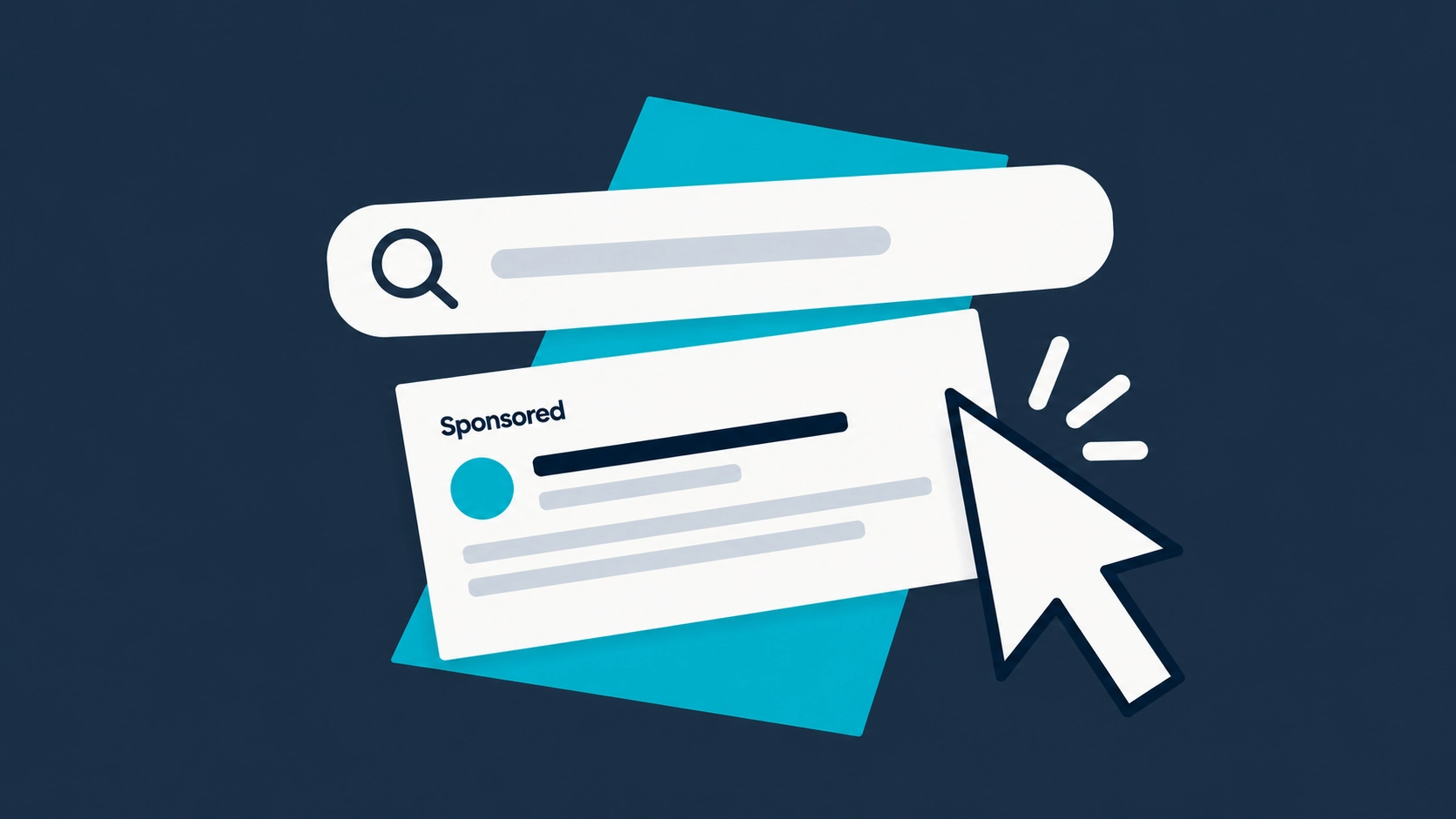
Search campaigns show text adverts in response to relevant searches. They can capture demand for products and services people already need.
Best For: Lead Generation | Local Services | Professional Services | B2B Businesses | Trades

Google Shopping Ads
Shopping campaigns promote products using information from Merchant Center, such as images and prices. They help shoppers compare products before visiting a retailer’s site.
Best For: E-Commerce Stores | Retailers | Online Product Sales

Google Display Ads
Display campaigns use visual adverts across websites, apps and Google properties. They can support awareness and re-engage previous visitors where eligible.
Best For: Brand awareness, remarketing, audience targeting

Google Video Ads
Video campaigns use video creative to reach audiences on YouTube and other eligible placements. Objectives and available formats vary.
Best For: Brand awareness, product demonstrations, audience engagement.

Demand Gen Ads
Demand Gen campaigns use image and video creative to reach audiences across eligible visual placements. They can support discovery and conversion goals.
Best For: Brand awareness, prospecting new audiences, product launches.
App campaigns promote app installs or engagement. They are relevant to businesses with an app rather than a standard lead generation website.
Related approaches: Remarketing re-engages eligible previous visitors or customers; it is not a separate campaign type. Local advertising can use Search and Performance Max to support local goals. Google’s former standalone Local campaigns were upgraded to Performance Max.
White label Google Ads management is a service for agencies, rather than a campaign type.
Key Takeaway:
There isn’t a single “best” Google Ads campaign. The right choice depends on what you’re trying to achieve, who you’re trying to reach and where your customers are in their buying journey.
Common Mistake:
Performance Max is not automatically the right starting point. Consider your goal, conversion data, creative assets and budget before choosing it.
Why Do Businesses Use Google Ads?
Connect Advertising with Business Outcomes
Google Ads can help businesses capture relevant demand, introduce an offer and measure the response. Search is particularly useful when customers already look for the product or service you sell.
Depending on the campaign, targeting can include location, keywords, audiences and scheduling. These settings help focus delivery, but they do not guarantee that every click will be relevant or profitable.

Useful measurement goes beyond clicks. Track enquiries, qualified leads, purchases and revenue where possible. Then compare the value generated with advertising spend and other costs.
Key Takeaway:
Judge advertising by business outcomes, such as qualified enquiries and profitable sales, rather than traffic alone.
Common Mistake:
Many businesses judge Google Ads success by the number of clicks they receive. In reality, the most important metrics are the quality of those clicks and whether they generate valuable enquiries, sales or other meaningful conversions.
Did You Know?
Conversion tracking needs correct setup and testing. Consent choices, attribution and tracking limitations can affect the data you see.
How Much Do Google Ads Cost?
Budgets, Click Costs and Customer Acquisition
There is no fixed Google Ads price. Costs depend on the auction, targeting, competition and campaign settings. For Search campaigns, the cost per click is only one part of the picture: the rate at which visitors become customers also matters.
You choose an average daily budget. For most campaigns, charges can reach twice that amount on a day, with a usual monthly limit of 30.4 times the average daily budget. Changing the budget during a month can change the limit.

Hypothetical example: An advertiser spends £600 and receives 200 clicks at an average £3 per click. If 10 visitors enquire, the advertising cost per enquiry is £60. If two become customers, the advertising cost per customer is £300. These figures exclude fees and other costs; they are an illustration, not Colne Digital client results or a forecast.
Keep advertising spend separate from management fees, tracking costs and landing page work. Our guide to Google Ads costs in the UK explains budgeting in more detail.
Key Takeaway:
Set a budget you can afford to test, measure meaningful conversions and assess the full cost of acquiring a customer.
Common Mistake:
Many businesses choose their Google Ads budget before understanding how many leads or sales they need. Starting with clear business objectives makes it much easier to build a realistic advertising budget and measure success.
Did You Know?
An average daily budget is not a strict daily cap. Review Google’s spending limits before deciding how much to invest.
Are Google Ads Right for Your Business?
Check the Opportunity and the Risks
Google Ads may suit your business if there is relevant demand or a reachable audience, your offer is competitive and your website makes it easy to act. You also need a budget for testing and a way to measure the outcome.
You can manage campaigns yourself if you have the time and skills. A specialist Google Ads agency such as Colne Digital can help with planning, setup, measurement and ongoing reviews.

Consider the risks too. Paid traffic stops when advertising stops, clicks do not guarantee enquiries, and weak margins or a poor landing page can make campaigns unprofitable. Fixing the offer or website may be a better first step.
Key Takeaway:
Google Ads is worth considering when your offer, audience, budget and measurement can support a realistic test.
Continue Learning
Explore these published guides and services
- How Much Does Google Ads Cost in the UK?
- Google Ads Management
- Google Ads Audit
- Google Search Ads Management
Ready to Take the Next Step?
Discuss your goals or review your existing account with Colne Digital.
At Colne Digital, we specialise exclusively in Google Ads management, helping businesses generate more qualified leads, increase sales and maximise return on investment through transparent, data-driven campaign management.
Frequently Asked Questions About Google Ads
Quick answers for beginners
These short answers cover common questions about getting started. For advice about your own account, contact Colne Digital.
Google Ads is Google’s paid advertising platform. It lets businesses promote products and services on Google Search, YouTube, Maps and other eligible websites and apps. Search campaigns capture search demand; other formats can reach audiences while they browse or watch content.
Advertisers set a goal, budget, targeting and creative. Google uses auctions to decide which eligible adverts appear. Search auctions consider bids, relevance, landing page quality and other Ad Rank factors.
Not always. Search campaigns typically use a pay-per-click (PPC) model, meaning you usually pay when someone clicks your advert rather than simply viewing it. Some campaign types, such as video or Display campaigns, can also use alternative bidding models depending on your objectives.
There is no fixed price. Costs depend on your market, targeting and settings. Most campaigns use average daily budgets rather than strict daily caps. Allow for management fees and other costs as well as advertising spend.
Campaigns can start receiving traffic after approval and launch. Enquiries and sales are not guaranteed. The time needed to assess performance depends on search demand, budget, conversion volume and the buying cycle.
Small businesses can use Google Ads, but suitability depends on demand, margins, competition and budget. A focused campaign may be more practical than spreading a small budget across many channels.
Campaign types include Search, Shopping, Display, Video, Performance Max, Demand Gen and App campaigns. Remarketing is an audience approach, local advertising describes a goal or placement, and white label management is an agency service.
You can manage campaigns yourself if you can plan, track and review them regularly. Agency support may help when you lack time or need specialist skills. Compare the likely benefit with the management fee.

Author: Mark Finlay, Founder of Colne Digital. We specialise in Google Ads management for UK businesses. This guide explains the fundamentals and links to Google’s documentation for technical details. Every article in our Knowledge Base is written to provide clear, practical and up-to-date advice based on real-world Google Ads experience.